Clean drinking water has become a daily concern for many households, especially in areas where tap water contains chlorine, limescale, and other contaminants. Two common options stand out in every home water discussion: RO water vs bottled water.
Both options promise safe hydration, but the real question is simple:
Which one is actually better for health, cost, and long-term use?
This detailed guide breaks down RO water vs bottled water, based on real-world water treatment experience, cost analysis, and water quality standards used in domestic and commercial systems. The goal is to help you choose the best drinking water option for your home and family.
What is RO Water and Bottled Water?
Reverse Osmosis (RO) Water
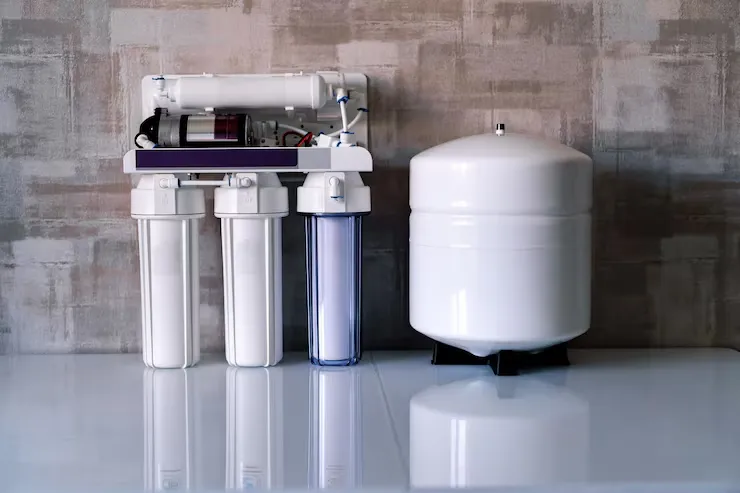
Reverse osmosis water is produced through a water purification system that forces tap water through a semi-permeable membrane. This process removes:
- Chlorine and chemical disinfectants
- Heavy metals like lead and arsenic
- Microplastics
- Dissolved salts and impurities
- Odors and unpleasant taste
This method is known as reverse osmosis filtration, widely used in modern home RO systems and advanced water treatment systems.
The result is clean filtered water suitable for drinking, cooking, and daily household use.
Bottled Water
Bottled water is packaged water sold in plastic or glass containers. It often comes from:
- Natural springs
- Municipal sources (treated tap water)
- Mineral water reserves
Even though marketed as premium, many bottled products are simply filtered tap water repackaged under strict branding rules.
Concerns linked to bottled water include:
- Microplastics in bottled water
- BPA exposure from plastic containers
- High recurring cost
- Environmental burden from plastic waste
RO Water Benefits and Why It Matters Today
The rise of RO water benefits is closely linked to growing concerns about safe drinking water and long-term health protection.
Key benefits of RO water:
- Strong contaminants removal for safer hydration
- Improves taste by removing chlorine and odors
- Supports healthy drinking water habits
- Reduces dependency on plastic bottles
- Works well in hard water regions
- Ideal for cooking and baby formula preparation
In areas with limescale problems and hard water, RO filtered water for hard water areas becomes especially valuable for protecting appliances and improving water quality at home.
Bottled Water Reality: Cost and Quality Breakdown
Bottled water appears convenient, but long-term usage tells a different story.
Bottled water concerns:
- Continuous purchase cycle increases expense
- Hidden source often remains unknown
- Environmental damage from plastic waste
- Quality variations between brands
Bottled water costs
Households relying on bottled water spend significantly more over time compared to installing a home water purification system.
Even basic daily consumption leads to high monthly costs, especially for families.
RO Water vs Bottled Water Comparison Table
| Feature | RO Water | Bottled Water |
|---|---|---|
| Cost | Low long-term cost | High recurring cost |
| Health safety | High (contaminants removal) | Medium to high depending on brand |
| Environmental impact | Eco friendly water solution | High plastic waste |
| Taste | Clean and neutral | Varies by brand |
| Convenience | Installed at home | Needs regular purchase |
| Microplastics risk | Very low | Present in many brands |
| Maintenance | RO system maintenance cost required | None |
This drinking water comparison clearly highlights the long-term advantage of RO systems for households focused on safety and affordability.
RO Water Cost vs Bottled Water: Real Long-Term Analysis
One of the biggest decision factors is RO water cost vs bottled water.
Home RO system cost includes:
- Installation of filtration unit
- Periodic filter replacement
- Maintenance every few months
Despite these costs, the per-liter price of RO water becomes extremely low.
Bottled water expenses include:
- Daily or weekly purchases
- Brand price variations
- Delivery charges in some areas
Long-term cost insight:
Over a 12-month period, reverse osmosis water becomes significantly more cost effective drinking water solution compared to bottled alternatives.
This makes RO systems a practical choice for households focused on budgeting and sustainability.
Health Comparison: RO Water vs Bottled Water for Health
Water quality directly affects hydration, energy levels, and overall wellness.
RO water advantages:
- Removes chlorine and harmful chemicals
- Reduces exposure to heavy metals
- Improves hydration efficiency
- Supports cleaner digestion and metabolism
Bottled water concerns:
- Possible microplastic contamination
- Storage conditions may affect quality
- Mineral imbalance in some brands
From a water quality comparison perspective, RO water offers more control over what enters the body.
Environmental Impact: Plastic vs Sustainable Water
Environmental sustainability plays a major role in modern water decisions.
Bottled water impact:
- Massive plastic bottle waste
- Increased carbon footprint from transportation
- Long decomposition cycle of plastic
RO water impact:
- Reduces dependency on single-use plastic
- Supports eco friendly water solution
- Encourages sustainable household habits
Switching to filtered water for home use significantly reduces plastic waste and supports environmental protection efforts.
Best Drinking Water Option for Families in London
In areas like London, water hardness is a common issue due to high mineral content.
A properly installed water filter system provides:
- Better tasting water
- Reduced limescale in kettles and appliances
- Improved skin and hair health
- Safer daily hydration
For households dealing with hard water challenges, solutions from
https://londonwaterfilter.co.uk/
offer reliable home water purification systems designed specifically for UK water conditions.
These systems deliver purified tap water directly at home, eliminating the need for bottled alternatives.
Installation and Maintenance of RO Systems
A modern water purification system is easy to manage when properly installed.
Installation process:
- Connection to main water line
- Placement under sink or kitchen unit
- Filter calibration and testing
Maintenance requirements:
- Filter replacement every 6–12 months
- Regular system checkups
- Monitoring water quality performance
The RO system maintenance cost remains predictable and significantly lower than bottled water expenses over time.
Expert Tips for Better Water Quality at Home
Industry experience in water purification technology highlights several important practices:
- Use certified filters for better contaminants removal
- Schedule regular maintenance checks
- Combine RO with carbon filtration for improved taste
- Monitor water quality in hard water regions
- Avoid long-term storage of filtered water in open containers
Common mistakes to avoid:
- Ignoring filter replacement cycles
- Relying only on bottled water for convenience
- Overlooking water hardness issues
- Using low-quality filtration units
A properly maintained system ensures clean water for cooking and drinking every day.
RO Water vs Bottled Water Environmental Impact
The environmental difference is significant:
- RO systems reduce plastic dependency
- Bottled water increases landfill waste
- Transportation adds unnecessary carbon emissions
A shift toward sustainable water choice benefits both household budgets and environmental health.
Frequently Asked Questions
1. Is RO water healthier than bottled water?
RO water removes chlorine, heavy metals, and contaminants, resulting in safer daily hydration and improved drinking water safety.
2. Which is more affordable: RO water or bottled water?
RO water delivers lower long-term cost due to minimal maintenance compared to continuous bottled water purchases.
3. Does RO water taste better than bottled water?
Many users prefer RO water because it provides clean, odor-free taste without chemical aftertaste.
4. Is bottled water safe for everyday use?
Most bottled water is safe, though some brands contain microplastics or originate from treated municipal sources.
5. Can an RO system help with hard water problems?
RO systems improve water quality in hard water areas by reducing impurities and improving taste.
6. Can RO water remove chlorine and heavy metals?
Yes, reverse osmosis filtration effectively removes chlorine, lead, mercury, and other harmful contaminants.
7. What is the long-term cost of bottled water vs RO water?
Bottled water costs significantly more over time compared to a home RO system with basic maintenance.
8. Which is the best water option for families in London?
A home RO filtration system is the most practical option for London households dealing with hard water and limescale issues.
Conclusion: RO Water vs Bottled Water — Final Verdict
The comparison between RO water vs bottled water clearly shows a strong advantage for reverse osmosis systems in terms of cost, safety, and environmental impact.
A properly installed home water purification system provides:
- Safer drinking water
- Lower long-term cost
- Reduced plastic waste
- Better taste and quality
- Reliable daily hydration for families
For households aiming for a practical and sustainable solution, RO systems remain the most balanced choice.
More details, installation support, and water filter solutions are available at:
👉 https://londonwaterfilter.co.uk/
A switch to purified home water is not only a health decision but also a long-term financial and environmental upgrade.