Hard water problems are not cosmetic. They are expensive, frustrating, and very common in London homes. From blocked pipes to failing boilers, the effects of hard water show up in places most homeowners do not expect until damage is already done.
Water supplied across London contains high levels of Calcium carbonate and Magnesium. These minerals are safe to drink, as confirmed by the Drinking Water Inspectorate, but they are harmful to plumbing systems, appliances, skin, hair, and cleaning efficiency inside the home.
This guide explains the real hard water issues at home, how hard water damages plumbing pipes, why hard water ruins appliances faster, and how the right hard water filter provides long-term protection. Practical solutions are included throughout, based on real installation experience across London properties.
What Hard Water Really Means in London Homes
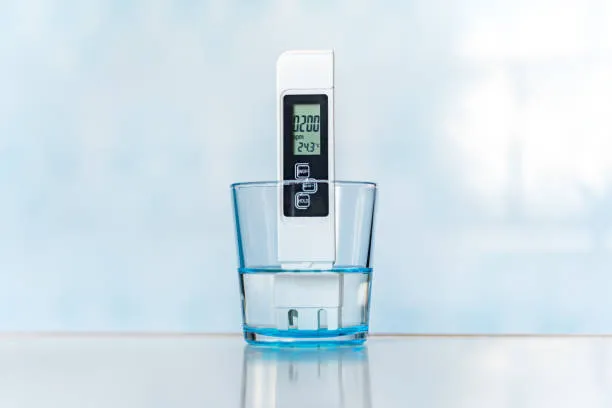
According to Thames Water, most London postcodes fall into the “very hard” category on the UK water hardness map. Hardness is measured in ppm (parts per million) and relates to the mineral content in water and Total dissolved solids.
High water hardness levels lead to scale formation, mineral scaling, and gradual internal damage that reduces plumbing lifespan and appliance efficiency.
Signs you have hard water at home
- White residue on taps and bathroom fixtures
- Water spots on shower glass and screens
- Cloudy glassware from the dishwasher
- Soap not lathering properly
- Dry skin after shower and hair dryness
- Frequent kettle limescale and boiler limescale
- Washing machine scale and dishwasher limescale
These are early warnings of deeper hard water plumbing problems.
Problem #1 – Limescale Blocking Your Pipes
Scale in pipes narrows internal diameter. Flow rate drops. Pressure changes. Over time, pipes clog with calcium deposits.
This is one of the most expensive hard water damage issues because it is hidden inside walls and floors.
How a water filter fixes this
A whole house filtration system with sediment filtration and carbon filter stages reduces mineral load before water enters the plumbing. This prevents new scale formation and protects plumbing maintenance long term.
Problem #2 – Appliances Dying Early
Hard water and appliances do not mix well. Kettles, dishwashers, washing machines, and water heaters accumulate mineral scaling on heating elements. Energy efficiency drops and parts fail sooner.
How a water filter fixes this
A house water filter system reduces mineral content in water, improving appliance lifespan and water heater efficiency while lowering electricity usage.
Problem #3 – Boiler Limescale and Heating Inefficiency
Boiler limescale acts as insulation on heat exchangers. Heat transfer becomes inefficient. Gas bills rise.
Many London homeowners replace boilers years earlier than necessary due to this.
How to stop limescale buildup in boiler
A whole house filter for hard water or an anti scale water system protects the boiler from limescale at the source.
Problem #4 – Soap Not Lathering and Poor Cleaning
Why soap does not lather in hard water is simple. Magnesium ions react with soap, reducing detergent efficiency. More soap is used with worse results.
How a water filter fixes this
Removing minerals from water improves household cleaning, reduces detergent use, and prevents hard water stains on kitchen appliances and shower screens.
Problem #5 – Dry Skin and Hair Damage
Does hard water affect skin and hair? Yes. Mineral residue stays on the skin, leading to skin irritation and hair damage hard water users often mistake for cosmetic issues.
How a water filter fixes this
Filtered water reduces residue, improving skin comfort and hair texture after showering.
Problem #6 – Permanent Stains on Taps, Glass, and Tiles
Hard water limescale creates white residue on taps, water spots on shower glass, and stains that require constant descaling.
How a water filter fixes this
A filter for London tap water reduces new deposits, making bathroom fixtures and tiles easier to maintain.
Problem #7 – Washing Machine and Dishwasher Scale
How to protect washing machine from hard water is a common question. Scale damages heating elements and internal pipes.
How a water filter fixes this
A best filter for hard water in house setup protects all kitchen appliances without individual descaling routines.
Problem #8 – Rising Home Maintenance Costs
The cost of hard water damage to appliances, pipes, boilers, and cleaning products adds up yearly.
How a water filter fixes this
Hard water treatment through whole house filtration reduces repair frequency, product usage, and energy waste.
Hard Water vs Soft Water Differences
| Feature | Hard Water | Filtered / Treated Water |
|---|---|---|
| Mineral content | High calcium carbonate & magnesium | Reduced minerals |
| Scale formation | Heavy limescale buildup | Minimal scaling |
| Appliance efficiency | Reduced | Improved |
| Plumbing lifespan | Shortened | Extended |
| Skin & hair | Dryness, residue | Cleaner feel |
| Cleaning effort | High | Low |
| Detergent efficiency | Poor | Effective |
Step-by-Step: How Filters Remove Calcium from Water
- Sediment filtration removes particles
- Carbon filter improves water quality and reduces impurities
- Advanced stages such as reverse osmosis or ion exchange reduce mineral load
- Whole house filtration treats water before it enters plumbing
This is more effective than relying only on water softening units placed at single points.
Water Softener vs Water Filter
| System | What it does | Limitation |
|---|---|---|
| Water softener | Uses ion exchange for water softening | Does not filter impurities |
| Water filter for limescale | Reduces minerals and improves water quality | Broader protection |
| Whole house water filter | Protects plumbing and appliances | Best for London homes |
| Under sink water filter | Drinking water improvement | Does not protect plumbing |
Why Some London Homes Get Severe Limescale Faster Than Their Neighbours (Postcode Is Not the Whole Story)
Many homeowners assume water hardness affects every property equally. In real installations across London, this is not true. Two houses on the same street can experience completely different levels of scale buildup within a few years.
This difference is not about postcode. It is about plumbing conditions inside the property.
What actually changes scale speed
| Factor | Effect on Scale Formation |
|---|---|
| Old galvanised or copper pipes | Minerals attach faster to rough internal surfaces |
| Plastic (PEX) pipework | Slower scale attachment due to smoother interior |
| High water temperature | Hot water accelerates calcium precipitation |
| Combi boilers with frequent cycling | Rapid scale on heat exchangers |
| Low water usage homes | Water sits longer in pipes, encouraging deposits |
| Flats vs houses | Shared risers and pressure differences change scaling patterns |
Expert observation
Homes where occupants travel often or use very little water tend to have worse internal pipe scale because stagnant mineral-rich water sits in the system for longer periods.
Key insight
Hard water damage is influenced as much by plumbing layout and usage patterns as by hardness level itself.
When a Water Softener Actually Makes Things Worse (And Why Installers Rarely Admit This)
Water softeners are often presented as the perfect solution. In practice, there are situations where they create new problems, especially in older London properties.
Myth vs Reality
| Myth | Reality |
|---|---|
| Softened water protects all plumbing | Softened water can increase corrosion in old copper pipes |
| Softened water is better for drinking | Added sodium affects taste and is not preferred by many homeowners |
| Softener solves all hard water issues | It does not remove impurities or improve overall water quality |
| Softener systems are low maintenance | Neglected resin tanks can develop hygiene issues |
| Safe for all boilers | Some heat exchangers react poorly to fully softened water |
Real installer experience
Older pipe systems combined with softened water often show signs of internal pipe wear faster than filtered, mineral-reduced water.
Key insight
Softening and filtering are not the same. In many London homes, filtration provides broader protection with fewer side effects.
The Hidden Relationship Between Hard Water and Boiler Warranty Voids
Most homeowners do not realise that hard water scale can affect boiler warranty claims.
Manufacturers such as Vaillant, Worcester Bosch, and Ideal Heating include clauses related to scale buildup and system water quality in their warranty terms.
What engineers look for during servicing
- Evidence of scale in heat exchangers
- Restricted flow due to mineral buildup
- Signs of overheating caused by limescale insulation
- Poor system water condition
If excessive limescale is found, it can be used as justification to deny warranty-related repairs.
Preventative checklist
- Treat water before it enters the system
- Reduce mineral load reaching the boiler
- Maintain evidence of filtration installation
- Prevent scale rather than repeatedly descale
Key insight
Hard water is not just a maintenance issue. It can become a financial liability during boiler claims.
Advanced: Choosing the Right Filtration Strategy Based on Your Home’s Plumbing Layout
The best filtration system depends on where water enters the property and how the plumbing is arranged.
Decision Framework
| Plumbing Situation | Correct Strategy |
|---|---|
| Mains enters under kitchen sink | Install system before first branch to protect entire house |
| Mains enters near boiler | Position filtration before boiler feed and hot water distribution |
| Flat with shared riser | Compact high-capacity unit at entry point of the flat |
| Property with loft tank / gravity system | Filter before tank to prevent mineral settlement |
| Very limited entry space | Use staged filtration in accessible sections |
Where NOT to install
- After the boiler
- Only under the sink
- On a single appliance feed
Key insight
Filter placement is as important as filter quality. Incorrect positioning reduces protection dramatically.
Myth vs Reality: The Biggest Misconceptions About Hard Water in London Homes
| Myth | Reality |
|---|---|
| Descaling once a year is enough | Scale begins forming again immediately |
| Kettle limescale is the main problem | Hidden pipe and boiler scale is far more costly |
| Under sink filter solves hard water | Only affects drinking water, not plumbing |
| Soft water means clean water | Softened water is not filtered water |
| Hard water is harmless because it is drinkable | Safe to drink, destructive to systems |
Key insight
Many homeowners focus on visible symptoms and ignore the hidden damage happening inside the syst
What Installers See Inside 5-Year-Old London Pipes (That Homeowners Never See)
During pipe replacements and boiler changes, internal inspections reveal how severe mineral buildup becomes in a short time.
Typical findings
- 30–50% narrowing of internal pipe diameter
- Thick chalk-like deposits inside copper bends
- Scale flakes breaking off and blocking valves
- Reduced flow pressure that homeowners assumed was “normal”
- Boilers heavily coated in mineral crust within 3–4 years
Before vs After filtration installs
Homes that installed whole house filtration show dramatically cleaner internal pipe surfaces even after several years.
Key insight
The most serious hard water damage is completely invisible until expensive repairs are required.
Real-World Use Case in London Properties
In many London homes, especially older properties, scale in pipes and boiler limescale are found within 2–3 years. After installing a whole house water filter from https://londonwaterfilter.co.uk/, homeowners report:
- Lower descaling frequency
- Improved shower glass clarity
- Better washing results
- Reduced kettle limescale
- Noticeable improvement in skin irritation
Expert Tips and Common Mistakes
Mistake: Treating symptoms with descaling only
Tip: Stop scale formation at entry point
Mistake: Installing only under sink filter
Tip: Use whole house filtration for hard water issues at home
Mistake: Ignoring water hardness ppm in London
Tip: Choose system designed for hard water in London
FAQs
How hard water damages plumbing pipes?
Scale in pipes narrows flow paths, increases pressure, and leads to long-term blockages.
Why hard water ruins appliances faster?
Mineral scaling coats heating elements, reducing appliance efficiency and causing early failure.
How to remove limescale from pipes permanently?
Prevent new scale using whole house filtration rather than repeated descaling.
Does hard water affect skin and hair?
Yes. Mineral residue leads to dryness, irritation, and hair texture issues.
What is the best filter for hard water in house?
A whole house water filter designed for high water hardness levels in London.
How filters remove calcium from water?
Through sediment filtration, carbon filter stages, and mineral reduction processes.
Conclusion: Stop Hard Water Damage at the Source
Hard water damage is gradual but costly. Pipes clog. Boilers lose efficiency. Appliances fail early. Skin and hair suffer. Cleaning becomes harder.
A proper hard water treatment system installed at the entry point of your home prevents these issues before they begin.
For London properties dealing with hard water problems, the most effective long-term solution is a whole house filtration system from https://londonwaterfilter.co.uk/. It protects plumbing, appliances, and overall household water quality in one step.