FAQ
FAQ
Always There To Answer your Question
Have questions about clean drinking water? Get expert answers and choose the right water filter for your home in London.
RO is better if your water has high TDS (above 200 ppm).
UV is better for municipal water with low TDS but bacteria risk.
For most homes, RO with UV combo gives complete protection.
Use a RO+UV water filter for full purification.
It removes TDS, bacteria, chlorine, and heavy metals.
Boiling or UV-only filters are not enough for hard water.
Ideal TDS is between 50 to 150 ppm for best taste and safety.
Above 300 ppm = unsafe. Below 50 = flat taste, lacks minerals.
Use a TDS meter to check at home.
Yes, RO water is safe and healthy if TDS is adjusted between 70–150 ppm.
Modern RO filters come with mineral cartridges to retain essential minerals.
Yes, daily use of RO water is completely safe.
Just make sure your RO filter has TDS controller or mineral booster.
A RO+UV+UF water purifier with TDS controller is best for Indian and UK homes.
It handles hard water, bacteria, and chlorine — all in one.
Yes, carbon filters in RO or UV systems remove chlorine effectively.
They also improve taste and remove bad odour from tap water.
Yes, water from a good multi-stage filter (RO+UV+UF) is 100% safe.
It removes bacteria, viruses, metals, and dirt. Always change filters on time.
You risk consuming harmful contaminants: lead, bacteria, chlorine, nitrates.
This may cause stomach issues, kidney problems, or long-term health damage.
Test your water's TDS.
Above 200 ppm → Go for RO+UV
Below 200 ppm → UV or UV+UF works
Always choose branded models with after-sales service.
Most standard water filters don’t remove fluoride — only reverse osmosis, distillation, or bone char filters are effective.
TDS = Total Dissolved Solids like calcium, magnesium, salts.
Too high = unsafe. Too low = bland water.
Ideal range = 50–150 ppm for safe & tasty water.
Only if it’s filtered using multi-stage purification (RO+UV).
Unfiltered rainwater may contain bacteria, dust, and pollution.
Boiling kills bacteria but doesn’t remove TDS, metals, or chlorine.
Use a proper filter for full protection.
Prices start from £150 to £400, depending on brand and features.
We offer affordable installation and maintenance packages in London.
The NHS recommends 6–8 glasses (about 2 litres) per day.
Ensure it’s filtered for safety.
RO: Reverse Osmosis
UV: Ultraviolet Sterilisation
UF: Ultrafiltration
TDS: Total Dissolved Solids
Yes. Bottled water is costly, often stored long, and has environmental impact.
Filtered tap water is cheaper, safer, and eco-friendly.
Replace RO, UV, and carbon filter cartridges every 6 to 12 months, depending on water quality and usage.
Delaying can lead to poor filtration and health risks.
Yes. London tap water often contains limescale, chlorine, and heavy metals.
A quality water filter improves taste, safety, and appliance life — making it a smart long-term investment.
Blogs
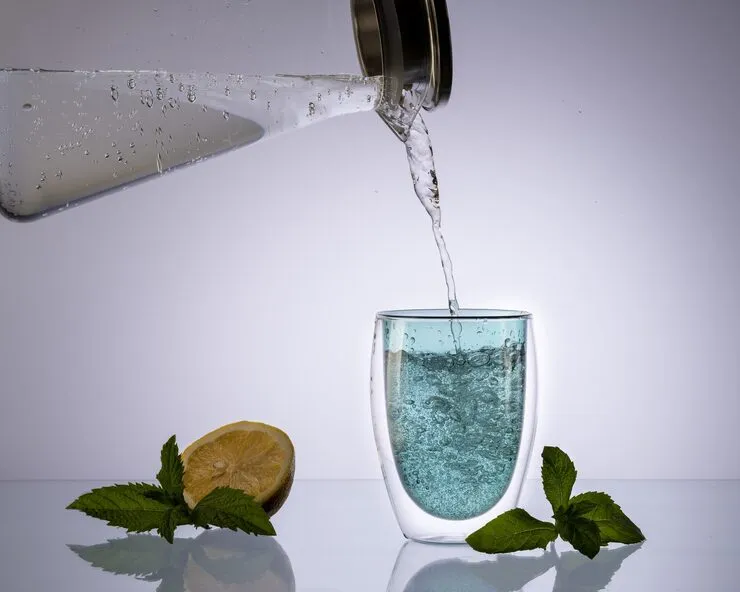
Can You Drink Softened Water in London?
Yes — most healthy adults in London can drink softened water. However, it contains added
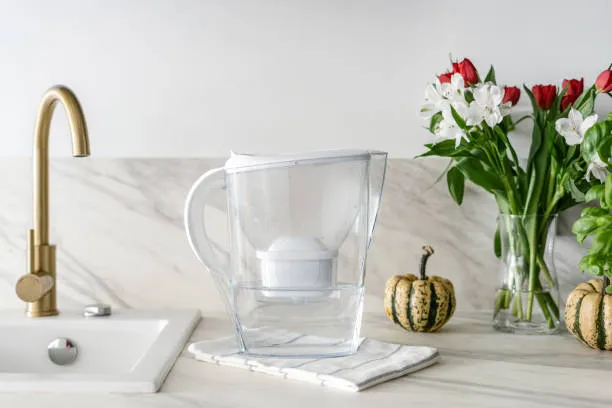
Best Water Filtration Systems in London (2026 Guide) – RO, Whole House & Office Solutions
Premium water filtration systems for homes and offices in London can make a noticeable difference
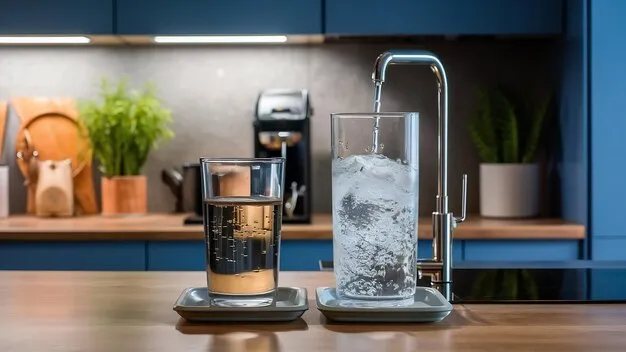
Clean Drinking Water in London: Why Reverse Osmosis Is in Demand
Tap water in the UK meets strict safety standards, yet many London households and businesses
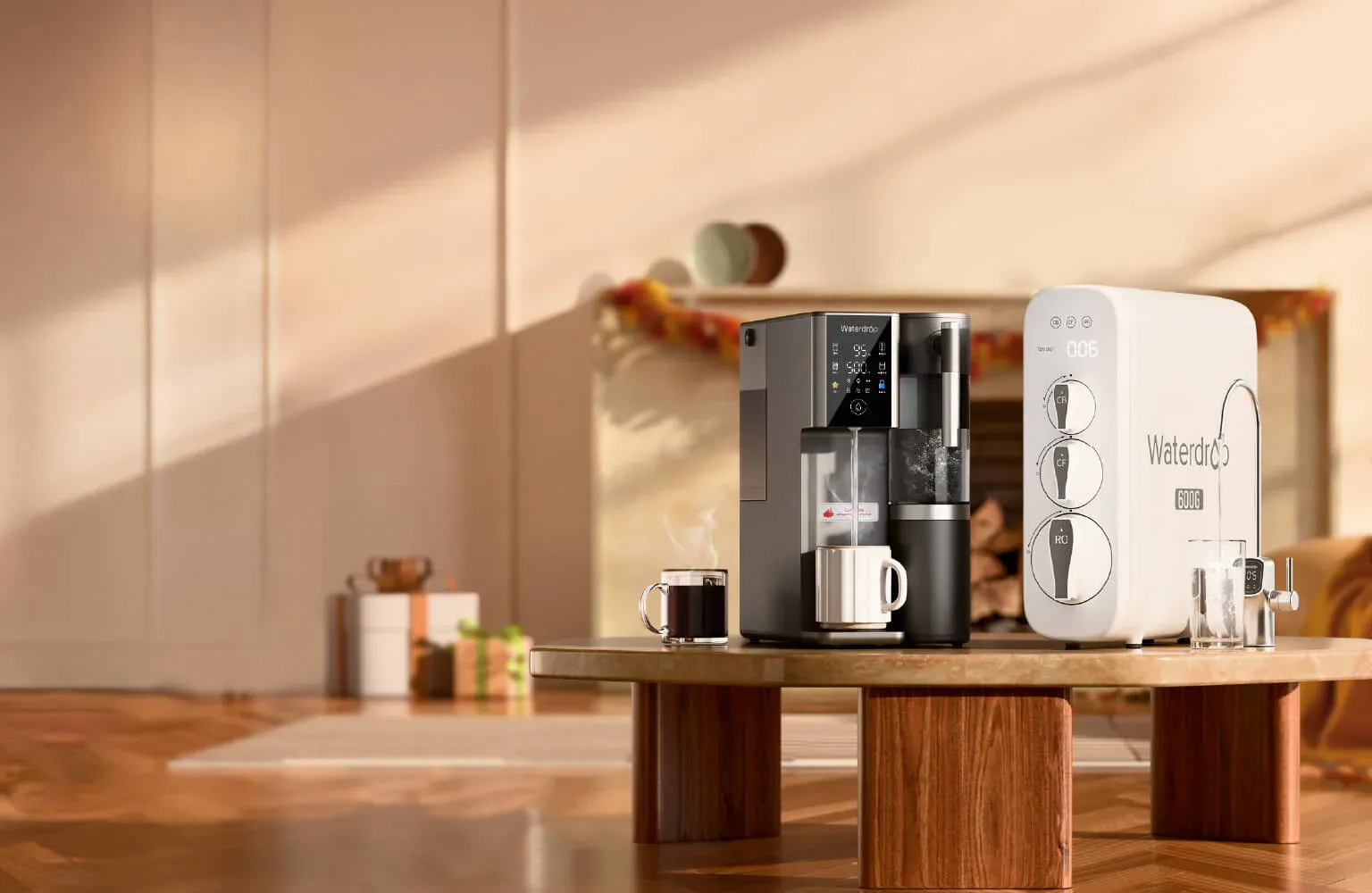
Does Waterdrop Filter Remove Limescale?
No, Waterdrop does not remove existing limescale.However, certain Waterdrop models reduce the minerals that cause