Tap water in the UK meets strict safety standards, yet many London households and businesses still struggle with taste, limescale, and concerns about dissolved contaminants. Hard water, ageing pipework in some areas, and heavy chlorine treatment push people to look beyond basic jug filters.
This is where a reverse osmosis (RO) water filtration system for home or office use becomes a serious option. RO systems don’t just improve taste they purify water at a molecular level, making them popular across London flats, family homes, cafés, and offices.
This guide explains what reverse osmosis is, how it works in UK conditions, how much it costs in London, and how to decide if it’s right for you.
What Is a Reverse Osmosis Water Filter?
A reverse osmosis water filter is a multi-stage drinking water purification system that removes dissolved solids by pushing water through a semi-permeable membrane.
Unlike standard carbon filters, RO systems target contaminants that are invisible to the eye.
What RO systems typically remove:
- Chlorine and chloramine
- Fluoride
- Heavy metals such as lead and copper
- Nitrates
- Microplastics
- Total Dissolved Solids (TDS)
The result is clean, neutral-tasting water suitable for everyday drinking, cooking, baby formula, and hot drinks.
How Reverse Osmosis Water Filtration Works (Step by Step)
Most UK RO systems follow a similar process:
- Sediment filtration
Removes dirt, rust, and sand that could damage the membrane. - Carbon filtration
Reduces chlorine, odours, and organic chemicals. - RO membrane
The core stage that removes dissolved contaminants and TDS. - Post-carbon filter
Polishes taste before water reaches the tap. - Storage tank
Holds filtered water ready for use.
Many systems also include remineralisation filters, which add back small amounts of calcium and magnesium to improve taste.
Is Reverse Osmosis Water Safe to Drink in the London?
Yes. RO water is safe for daily drinking and widely used in homes, hospitals, and food service environments.
A common concern is mineral removal. While RO strips most dissolved minerals, these are primarily obtained from food, not water. For those who prefer balanced taste, remineralisation cartridges solve this issue easily.
In London, RO water is often chosen for:
- Babies and young children
- People sensitive to chlorine taste
- Coffee and tea preparation
- Reducing kettle and appliance scaling
London Water Quality: Why RO Makes Sense Locally
London’s water is classified as hard, meaning it contains high levels of calcium and magnesium. While not harmful, this leads to:
- Chalky taste
- Heavy limescale buildup
- Reduced appliance lifespan
RO systems directly remove hardness minerals and dissolved solids, offering a level of purification that water softeners and jug filters cannot provide.
For flats and rental properties, modern under-sink RO systems are compact and reversible, making them suitable even in smaller kitchens.
RO Water Filtration System for Home vs Business Use
Residential Use
Ideal for:
- Flats with poor-tasting water
- Family homes
- Health-conscious households
- Baby formula preparation
Commercial & B2B Use
Common in:
- Offices
- Cafés and coffee shops
- Clinics and beauty studios
- Small restaurants
Businesses value RO systems for consistent water quality, improved beverage taste, and reduced equipment maintenance.
Best RO Water Filter UK: How to Choose the Right System
Choosing the best RO water filter in the UK depends on more than brand names.
Key factors to consider:
- Certification: Look for NSF/ANSI 58 membranes
- Water pressure: UK mains pressure compatibility
- System size: Under-sink vs countertop
- Filter availability: Easy access to replacements in the UK
- Noise levels: Important for flats
- Optional upgrades: UV or remineralisation
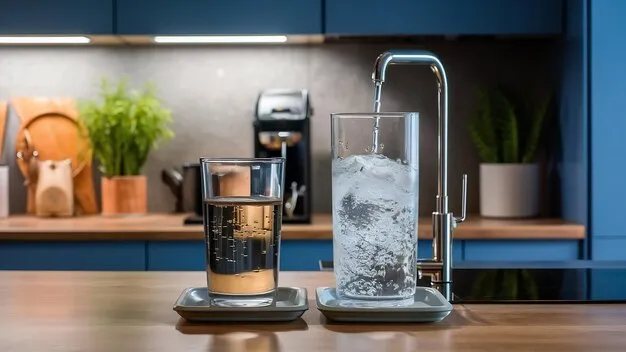
RO Filter Installation London: What to Expect
RO installation is straightforward for a qualified installer.
Typical installation includes:
- Under-sink mounting
- Connection to cold water supply
- Dedicated RO tap installation
- Drain connection for wastewater
Installation time: usually 1.5–3 hours.
Many London homeowners search for “RO filter installation near me” to find local specialists who understand flat layouts, pressure limitations, and WRAS-approved fittings.
Reverse Osmosis Water Filter Cost UK
Costs vary by system quality and installation complexity.
| Item | Typical London Cost |
|---|---|
| RO system | £150 – £600 |
| Installation | £80 – £250 |
| Annual maintenance | £60 – £120 |
While RO systems cost more upfront than jug filters, they are far cheaper long-term than bottled water and offer significantly higher filtration performance.
Running Costs and Maintenance
RO systems are not maintenance-free, but upkeep is predictable.
Maintenance schedule:
- Sediment & carbon filters: every 6–12 months
- RO membrane: every 2–3 years
- System sanitisation: annually
Ignoring maintenance leads to reduced performance and taste issues, not safety risks—but proper care ensures long system life.
RO vs Carbon Water Filter: Which Is Better?
| Feature | Reverse Osmosis | Carbon Filter |
|---|---|---|
| Removes TDS | Yes | No |
| Removes fluoride | Yes | Limited |
| Improves taste | Excellent | Good |
| Installation | Required | Often none |
| Cost | Higher | Lower |
Simple rule:
Choose carbon filters for taste improvement only.
Choose RO systems for full drinking water purification.
RO vs Bottled Water in London
Many London households rely on bottled water due to taste concerns.
RO systems:
- Cost less over time
- Reduce plastic waste
- Provide fresh water on demand
- Avoid storage and transport issues
For families and offices, RO quickly becomes the more practical choice.
Can RO Be Installed in a Rented Flat?
Yes, in most cases.
Modern under-sink RO systems:
- Require minimal drilling
- Can be removed without permanent damage
- Use standard plumbing connections
Always check tenancy agreements, but many renters successfully install RO systems in London flats.
Common Myths and Mistakes
“RO wastes too much water”
Modern systems are far more efficient than older designs.
“RO water is unhealthy”
False. RO water meets drinking water safety standards.
“Any plumber can install RO”
Incorrect. RO systems require correct pressure setup and certification awareness.
Alternatives to Reverse Osmosis
RO is not the only solution.
Other options include:
- Carbon block under-sink filters
- UV purification systems
- Water softeners (not for drinking purification)
- Jug filters
Each serves a different purpose. RO remains the most comprehensive option for drinking water quality.
How to Decide If RO Is Right for You
RO is a strong choice if:
- You live in London or hard water areas
- Taste and purity both matter
- You want bottled-water quality at home
- You’re preparing baby formula
- You run a café or office
If your only issue is mild chlorine taste, a carbon filter may be sufficient.
FAQs
1. Is reverse osmosis worth it in the UK?
Yes, especially in hard water areas like London where taste and limescale are common problems.
2. Does RO remove limescale?
Yes. RO removes calcium and magnesium that cause limescale.
3. How often do RO filters need changing?
Pre-filters every 6–12 months, membranes every 2–3 years.
4. Is RO better than Brita filters?
RO provides much deeper purification than jug filters.
5. Can RO systems work in small London kitchens?
Yes. Compact under-sink systems are designed for flats.
6. Does RO remove fluoride in the UK?
Yes, standard RO membranes remove fluoride effectively.
7. Can RO be used for coffee machines?
Yes, it improves taste and reduces scale buildup.
Conclusion
For London homes and businesses dealing with hard water, taste issues, or health concerns, a reverse osmosis water filter offers one of the most effective long-term solutions. With proper installation and routine maintenance, RO systems deliver clean, great-tasting drinking water while reducing plastic waste and ongoing costs.
Whether you’re upgrading a family kitchen, fitting out a flat, or improving water quality in a café or office, reverse osmosis remains a reliable, future-proof choice across the UK.